
Search
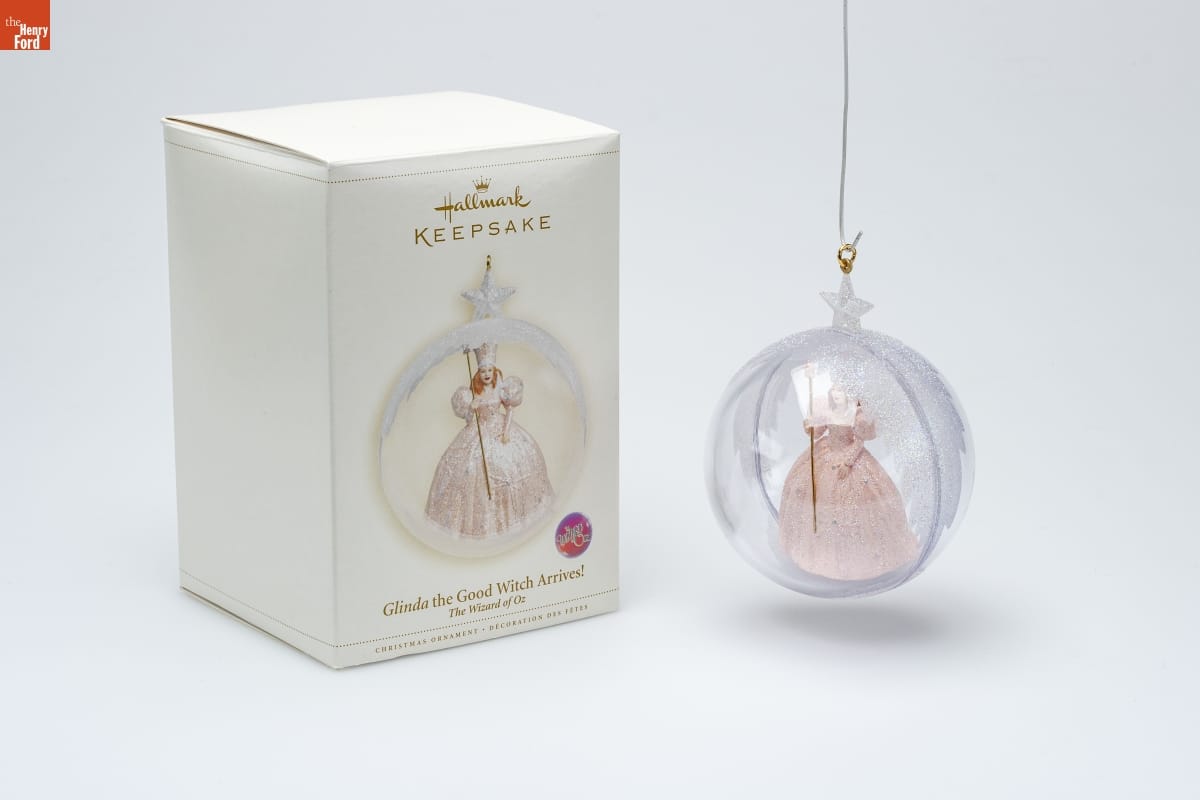
- Hallmark "The Wizard of Oz: Glinda the Good Witch Arrives!" Christmas Ornament, 2006 - Already known for greeting cards, Hallmark introduced a line of Christmas ornaments in 1973. The company's annual release of an increasing array of ornaments revolutionized Christmas decorating, appealing to customers' interest in marking memories and milestones as well as expressing one's personality and unique tastes.
- 2006
- Collections - Artifact
Hallmark "The Wizard of Oz: Glinda the Good Witch Arrives!" Christmas Ornament, 2006
Already known for greeting cards, Hallmark introduced a line of Christmas ornaments in 1973. The company's annual release of an increasing array of ornaments revolutionized Christmas decorating, appealing to customers' interest in marking memories and milestones as well as expressing one's personality and unique tastes.
- "No Kings" Button, 2026 -
- 2026
- Collections - Artifact
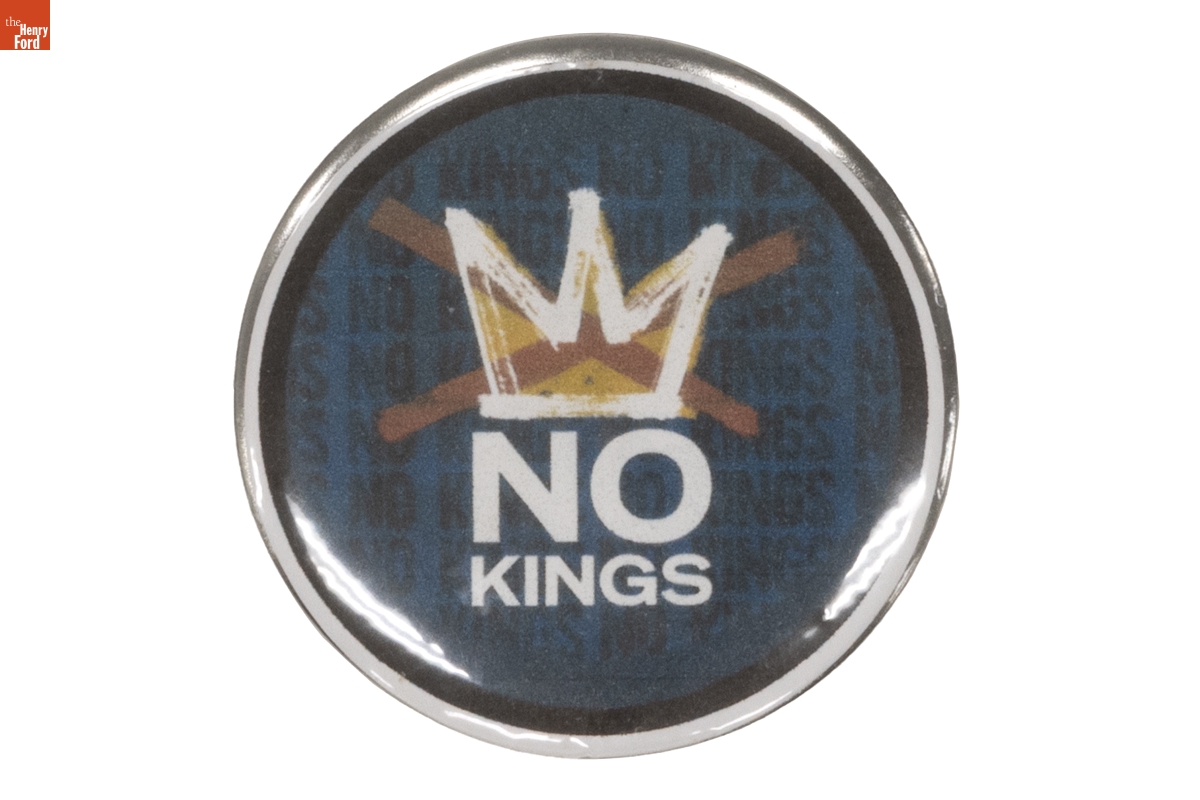
"No Kings" Button, 2026
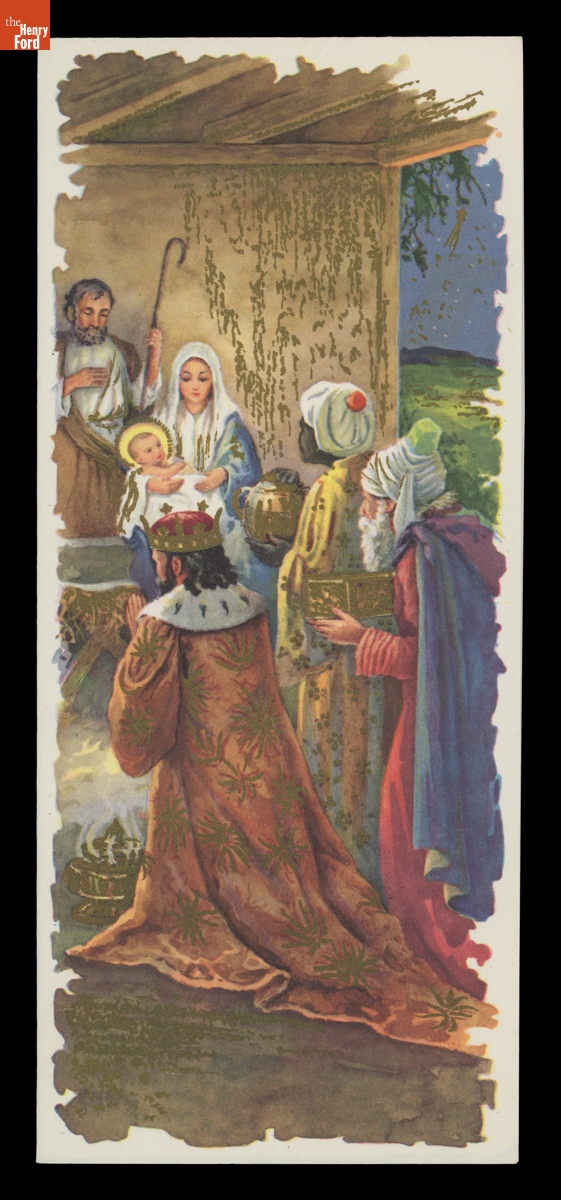
- Christmas Card Featuring the "Adoration of the Magi," 1956 - Christians often send Christmas cards that incorporate religious themes to celebrate the birth of Jesus. Imagery may allude to biblical stories of the Nativity, the Madonna and Child, the three kings or wise men, or the adoration of the shepherds. Texts may quote scriptures or verses from Christmas hymns or carols; other passages may be generic, wishing peace and goodwill to the recipient.
- 1956
- Collections - Artifact
Christmas Card Featuring the "Adoration of the Magi," 1956
Christians often send Christmas cards that incorporate religious themes to celebrate the birth of Jesus. Imagery may allude to biblical stories of the Nativity, the Madonna and Child, the three kings or wise men, or the adoration of the shepherds. Texts may quote scriptures or verses from Christmas hymns or carols; other passages may be generic, wishing peace and goodwill to the recipient.
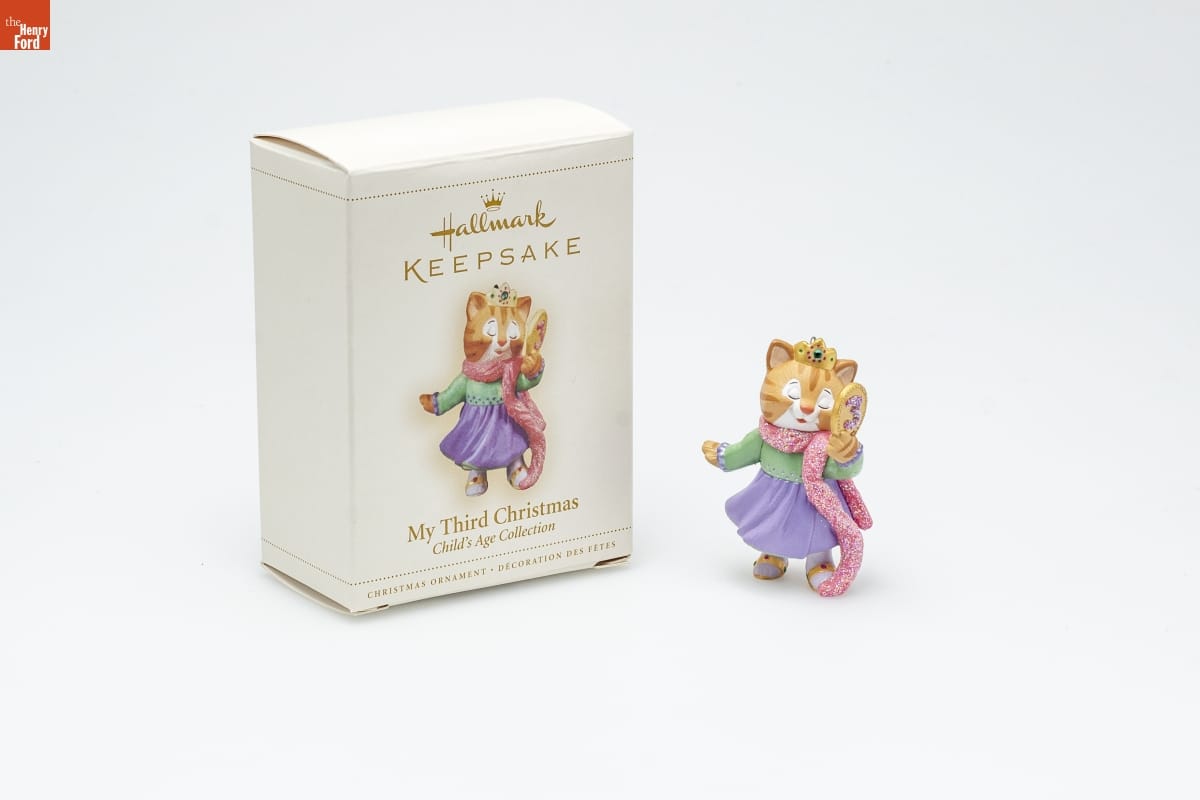
- Hallmark "Child's Age Collection: My Third Christmas" Christmas Ornament, 2006 - Already known for greeting cards, Hallmark introduced a line of Christmas ornaments in 1973. The company's annual release of an increasing array of ornaments appealed to customers' interest in marking memories and milestones as well as expressing one's personality and unique tastes. Purchasing an ornament like this one would bring back happy family memories of that event year after year.
- 2006
- Collections - Artifact
Hallmark "Child's Age Collection: My Third Christmas" Christmas Ornament, 2006
Already known for greeting cards, Hallmark introduced a line of Christmas ornaments in 1973. The company's annual release of an increasing array of ornaments appealed to customers' interest in marking memories and milestones as well as expressing one's personality and unique tastes. Purchasing an ornament like this one would bring back happy family memories of that event year after year.
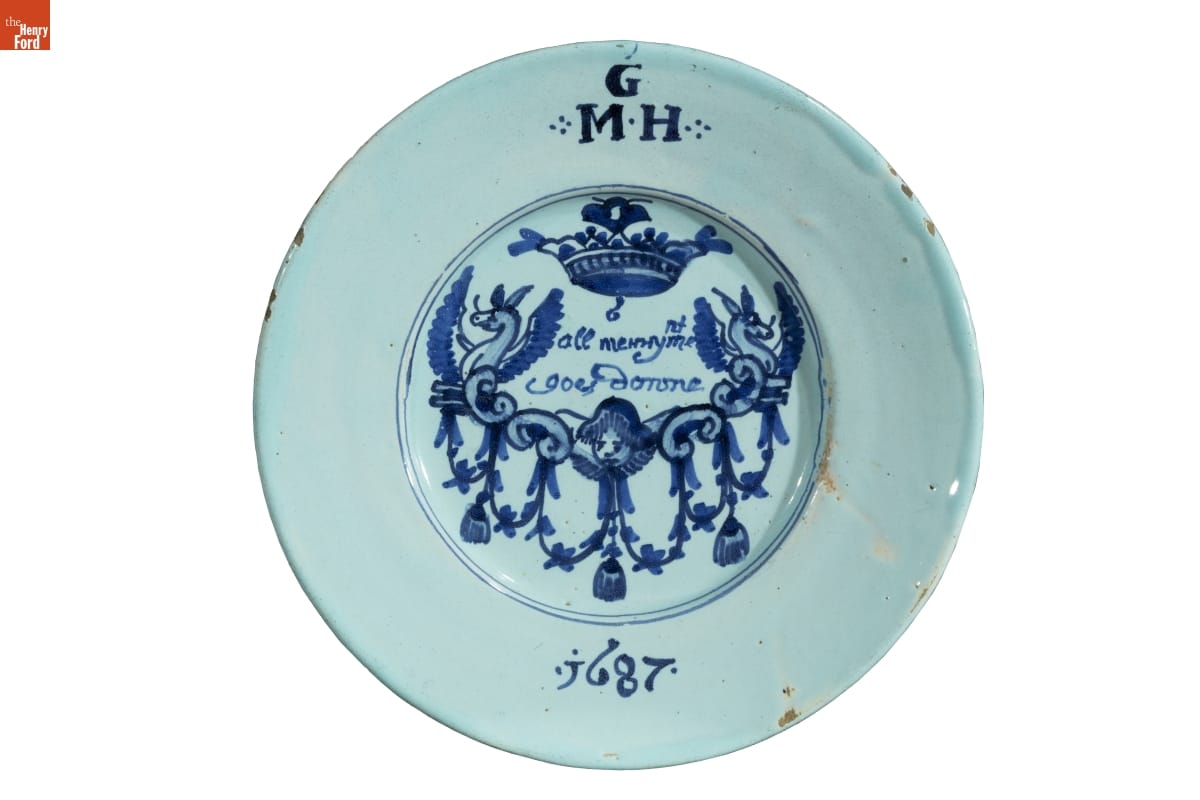
- Plate, 1687 - A well-to-do family in the late-17th century displayed decorated plates like this one on a table or in an open cupboard. The dishes, not used as common serving items, showed the owner's wealth and good taste. The plate's decorative motifs varied, but popular themes included: images of royalty, biblical stories, flowers, and may also have the owner's initials and a date.
- 1687
- Collections - Artifact
Plate, 1687
A well-to-do family in the late-17th century displayed decorated plates like this one on a table or in an open cupboard. The dishes, not used as common serving items, showed the owner's wealth and good taste. The plate's decorative motifs varied, but popular themes included: images of royalty, biblical stories, flowers, and may also have the owner's initials and a date.
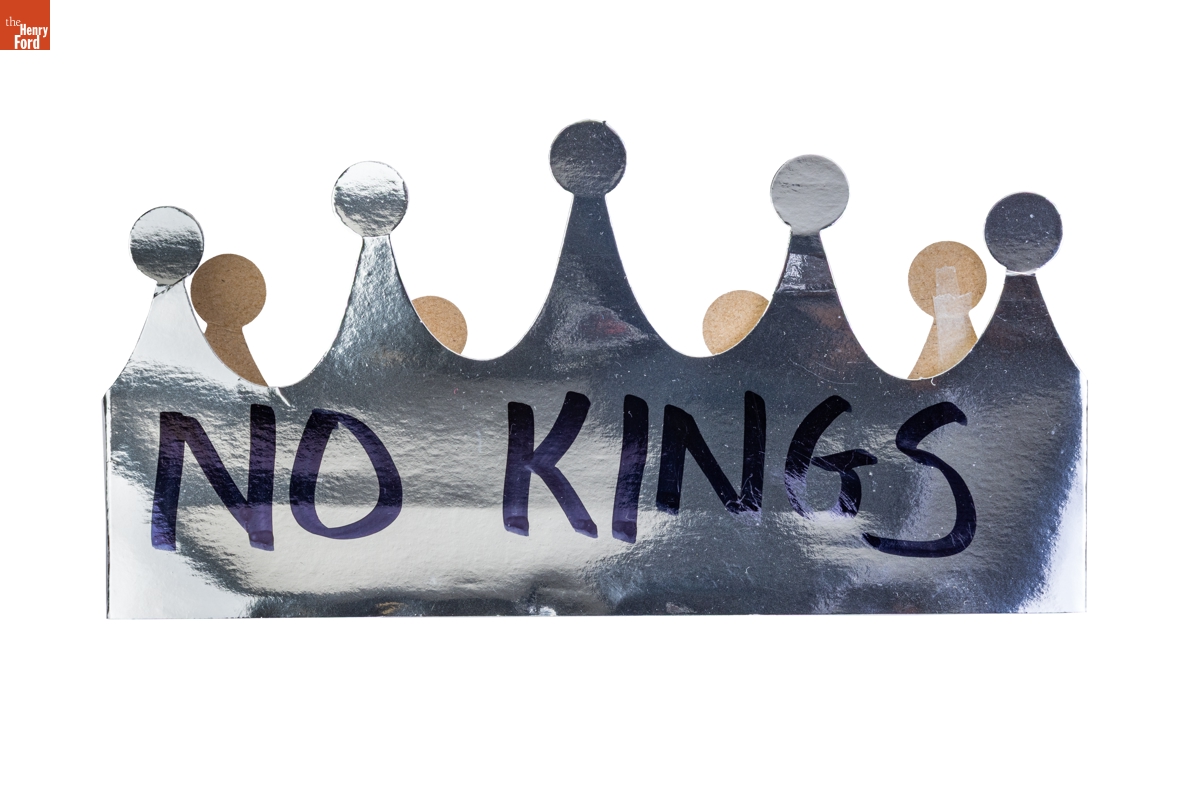
- "No Kings" Crown, 2026 -
- 2026
- Collections - Artifact
"No Kings" Crown, 2026
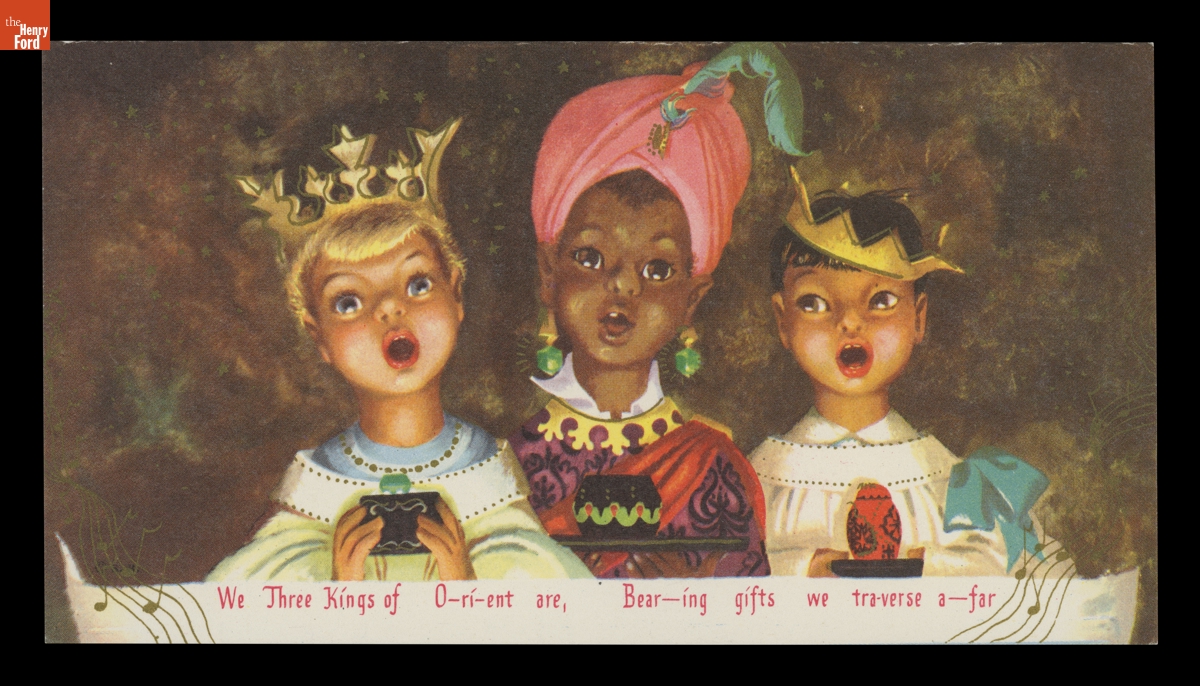
- "We Three Kings of Orient Are, Bearing Gifts We Traverse A-Far," 1956 - Christians often send Christmas cards that incorporate religious themes to celebrate the birth of Jesus. Imagery may allude to biblical stories of the Nativity, the Madonna and Child, the three kings or wise men, or the adoration of the shepherds. Texts may quote scriptures or verses from Christmas hymns or carols; other passages may be generic, wishing peace and goodwill to the recipient.
- 1956
- Collections - Artifact
"We Three Kings of Orient Are, Bearing Gifts We Traverse A-Far," 1956
Christians often send Christmas cards that incorporate religious themes to celebrate the birth of Jesus. Imagery may allude to biblical stories of the Nativity, the Madonna and Child, the three kings or wise men, or the adoration of the shepherds. Texts may quote scriptures or verses from Christmas hymns or carols; other passages may be generic, wishing peace and goodwill to the recipient.
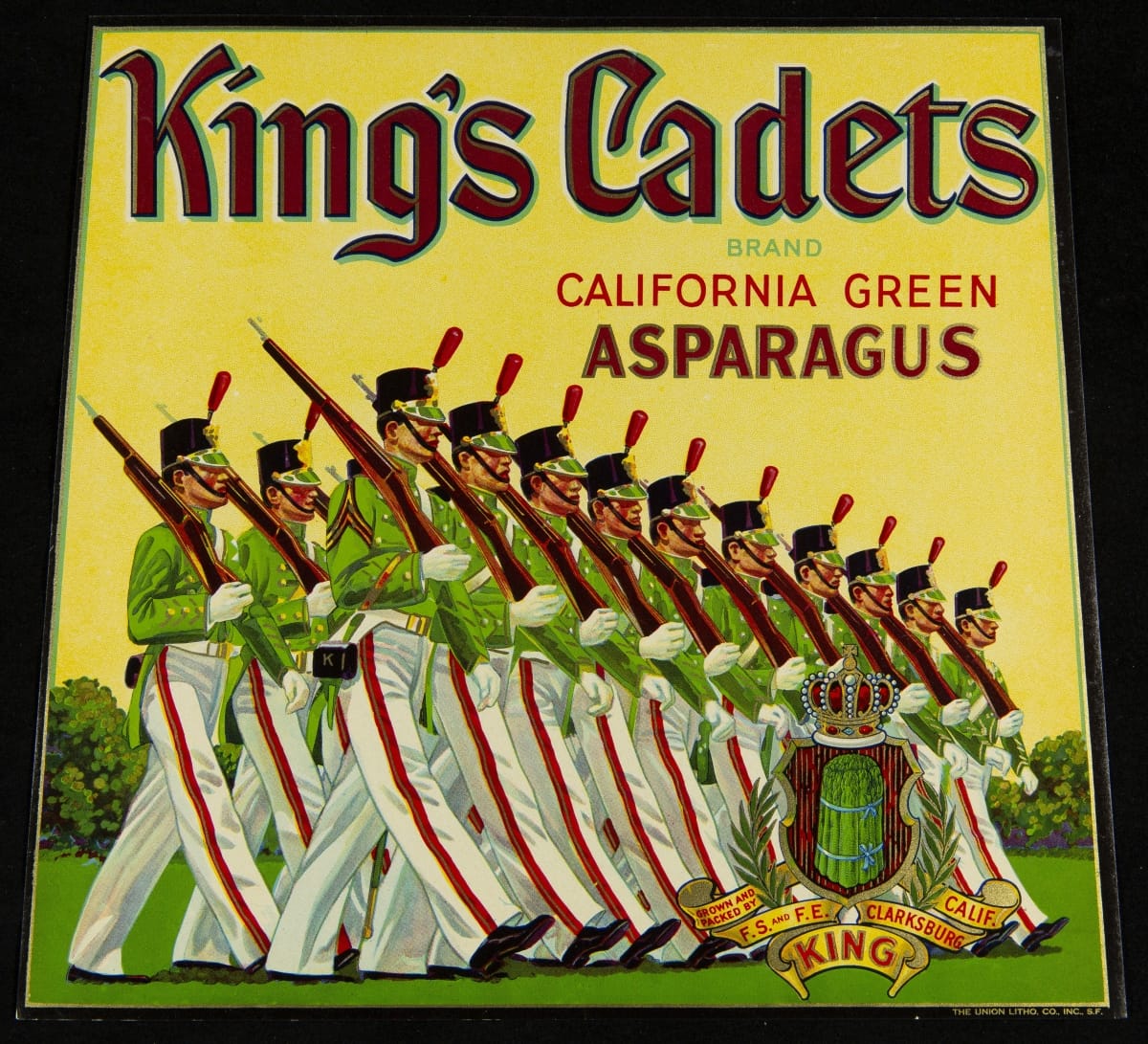
- Crate Label, "King's Cadets Brand Asparagus," circa 1940 - In 1869, the transcontinental railroad opened eastern markets to the West Coast produce industry for the first time. As produce companies shipped crates of fruits and vegetables across the country, they needed a way to distinguish their goods from their competitors'. Colorful, eye-catching labels, like this one for King's Cadets Brand Asparagus, were created to attract grocers purchasing goods from wholesale markets.
- circa 1940
- Collections - Artifact
Crate Label, "King's Cadets Brand Asparagus," circa 1940
In 1869, the transcontinental railroad opened eastern markets to the West Coast produce industry for the first time. As produce companies shipped crates of fruits and vegetables across the country, they needed a way to distinguish their goods from their competitors'. Colorful, eye-catching labels, like this one for King's Cadets Brand Asparagus, were created to attract grocers purchasing goods from wholesale markets.
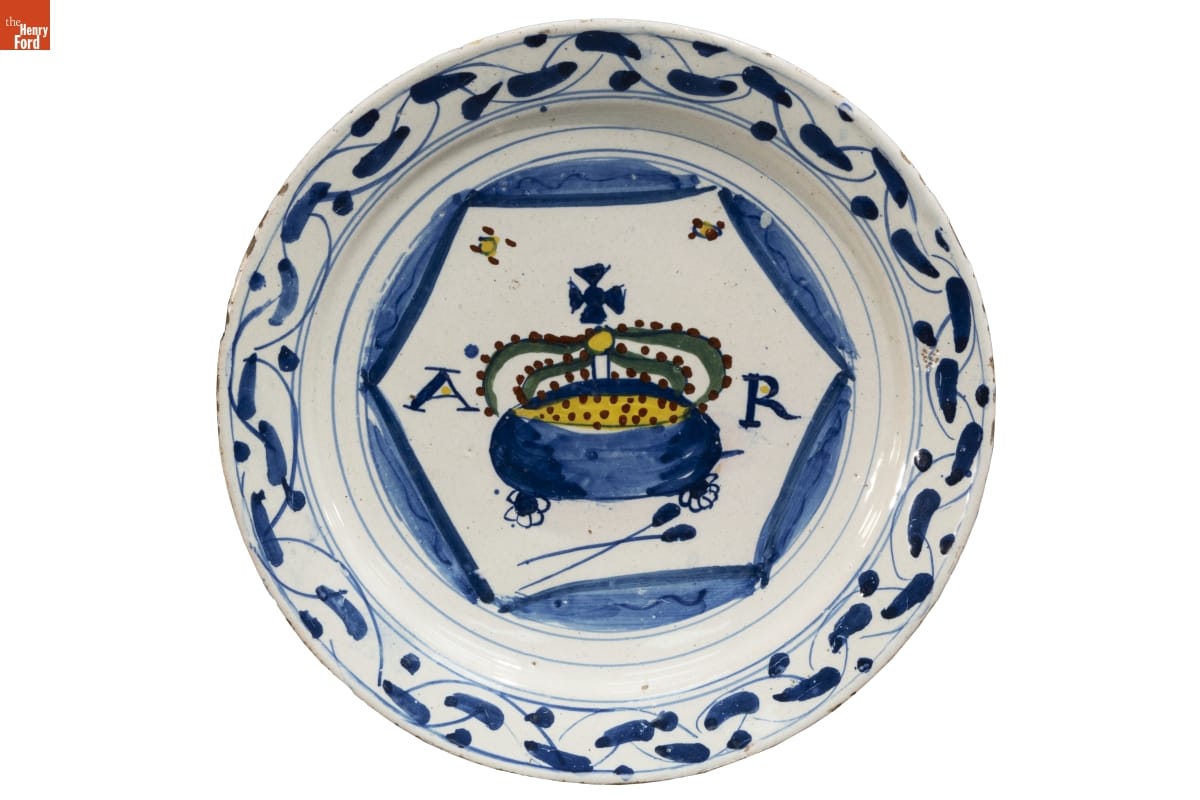
- Plate, 1702-1714 - A well-to-do family in the early-18th century displayed decorated plates like this one on a table or in an open cupboard. The dishes, not used as common serving items, showed the owner's wealth and good taste. The plate's decorative motifs varied, but popular themes included: images of royalty, biblical stories, flowers, and may also have the owner's initials and a date.
- 1702-1714
- Collections - Artifact
Plate, 1702-1714
A well-to-do family in the early-18th century displayed decorated plates like this one on a table or in an open cupboard. The dishes, not used as common serving items, showed the owner's wealth and good taste. The plate's decorative motifs varied, but popular themes included: images of royalty, biblical stories, flowers, and may also have the owner's initials and a date.
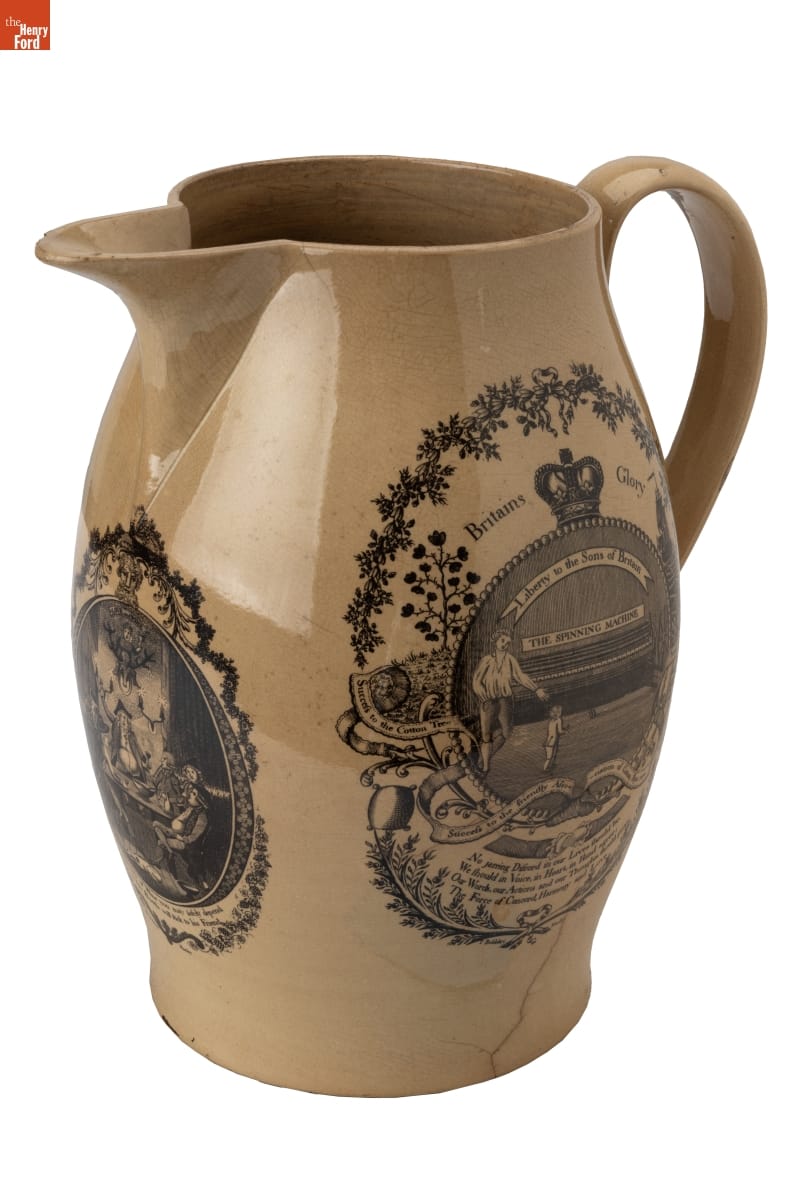
- Pitcher, circa 1800 -
- circa 1800
- Collections - Artifact
Pitcher, circa 1800